Health Risks Linked to Birds and Bats in Commercial Properties
Commercial bird and bats control experts can help reduce health risks linked to birds and bats in commercial properties by safely removing infestations and preventing future issues.
Visitors exploring concerns about health risks linked to birds and bats in commercial properties are in the right place. Understanding the potential health hazards associated with these animals-such as the spread of diseases through droppings, nesting materials, or airborne particles-is essential for property owners aiming to protect their staff and customers. Addressing these issues proactively can help prevent health complications and maintain a safe, hygienic environment. Local contractors specializing in commercial bird and bats control offer practical solutions to mitigate these risks, ensuring properties remain safe and compliant with health standards.
For property owners in the area, exploring how birds and bats can impact health is a smart step toward safeguarding their investments. These animals often find ways into commercial spaces, creating nesting sites that may harbor harmful pathogens. Working with experienced service providers can help identify problem areas and implement effective exclusion and control measures. Keep reading to learn more about the health risks linked to birds and bats in commercial properties and discover how local experts can assist in managing these concerns efficiently.
- Commercial property owners may need bird and bat control services when signs of nesting or droppings raise concerns about health risks linked to birds and bats in commercial properties. - Businesses experiencing increased pest activity or odors caused by bird or bat infestations can benefit from local contractors' removal and exclusion solutions to mitigate health hazards. - When bird or bat droppings threaten to contaminate food preparation or storage areas, local pros implement cleanup and barrier methods to reduce health risks linked to birds and bats in commercial properties. - Commercial facilities facing persistent bird or bat entry points may seek professional exclusion services to prevent ongoing health risks linked to birds and bats in commercial properties. - Property managers noticing health issues among staff or visitors related to bird or bat presence often turn to local contractors for integrated pest management to address health risks linked to birds and bats in commercial properties.
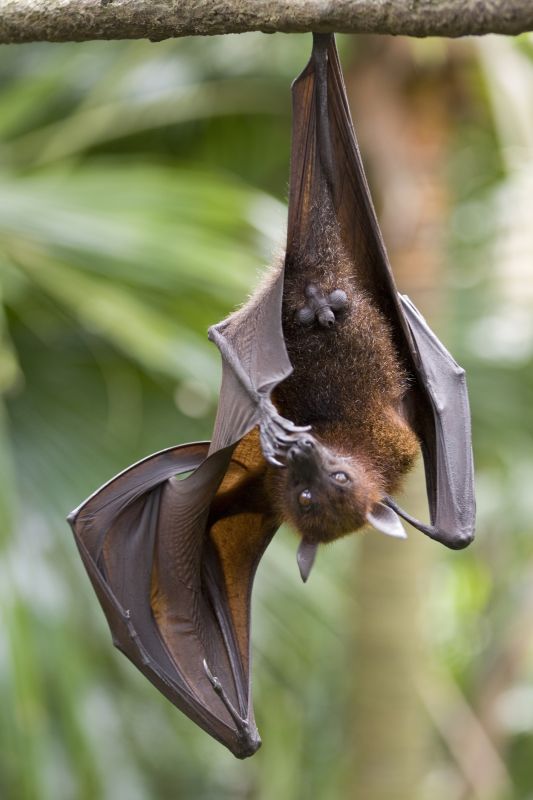
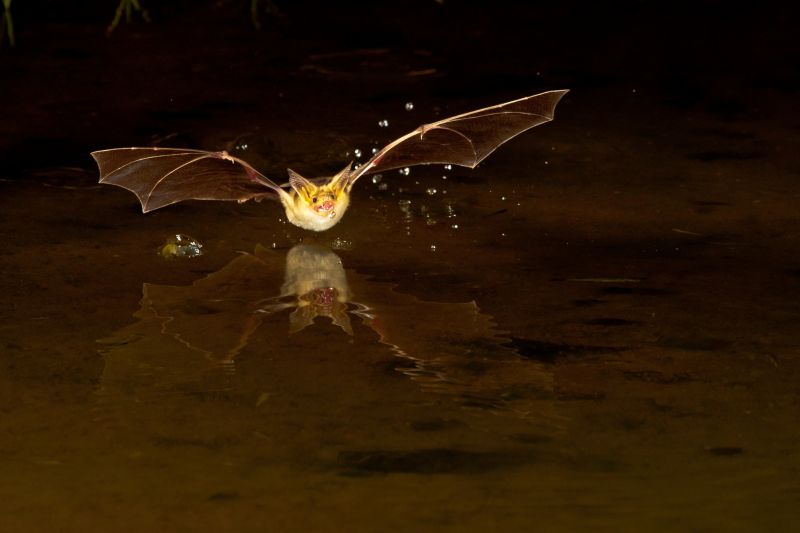
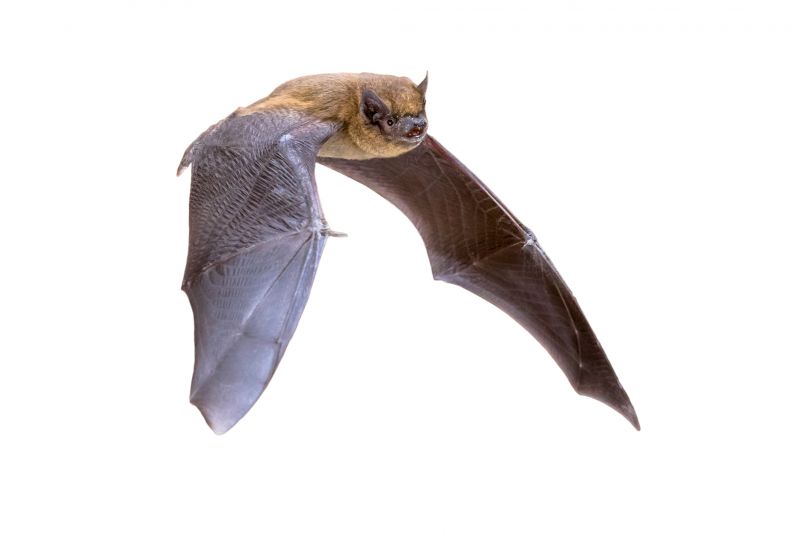
When people search for information about health risks linked to birds and bats in commercial properties, they are often concerned about the potential for these animals to introduce diseases or cause health hazards within their buildings. This topic typically arises during planning or ongoing management of commercial spaces such as warehouses, office buildings, retail centers, or industrial facilities. Property owners and managers want to understand how bird and bat populations can impact health, especially when these animals roost or nest in or near their structures. Recognizing these risks is an important step in developing effective control and prevention strategies to protect employees, customers, and visitors.
These health concerns are closely related to problems like the spread of zoonotic diseases-illnesses that can transfer from animals to humans-such as histoplasmosis, salmonellosis, or even certain viral infections. Bats and birds can carry pathogens that become airborne through droppings or dust, creating inhalation hazards for building occupants. Additionally, their droppings and nesting materials can attract pests like mites or fleas, which may also transmit illnesses. Commercial property owners often plan for pest management or building maintenance projects with these health risks in mind, seeking ways to safely remove or deter bird and bat populations to reduce exposure.
The types of properties most commonly involved in discussions about health risks linked to birds and bats include large commercial buildings, warehouses, manufacturing plants, retail centers, and office complexes. These properties often have extensive rooflines, eaves, or ledges that provide ideal roosting spots for birds and bats. Structures with open access points or poorly sealed areas are especially vulnerable to animal intrusion. In many cases, property owners or managers recognize the importance of working with experienced service providers who can assess the property, identify potential hazards, and implement control measures to minimize health risks associated with these animals.
Local contractors specializing in bird and bat control play a key role in addressing these health concerns. They can perform thorough inspections to identify areas where animals are nesting or roosting and recommend targeted exclusion or removal methods. Properly managing bird and bat populations helps reduce the likelihood of disease transmission and minimizes the accumulation of droppings and debris that pose health hazards. By partnering with experienced service providers, property owners can ensure that their commercial spaces remain safer and healthier environments, while also complying with local regulations related to wildlife management and property maintenance.
Wildlife exclusion projects - professionals specializing in wildlife exclusion often address health risks linked to birds and bats in commercial properties by implementing humane removal and sealing techniques.
Pest control services - pest control experts may handle infestations of birds or bats that pose health concerns, utilizing targeted methods to reduce disease transmission risks.
Building inspection and assessment - inspectors evaluate structural vulnerabilities that allow bird and bat entry, helping property owners mitigate health hazards associated with these animals.
Sanitation and cleanup services - cleanup specialists remove droppings and nests to prevent contamination and reduce health risks linked to birds and bats in commercial spaces.
Roofing and repair projects - contractors repairing roof damage often work to block entry points for birds and bats, addressing health risks linked to their presence in commercial buildings.
Ventilation and duct cleaning - service providers clean and maintain ventilation systems to prevent the spread of pathogens associated with bird and bat droppings in commercial properties.
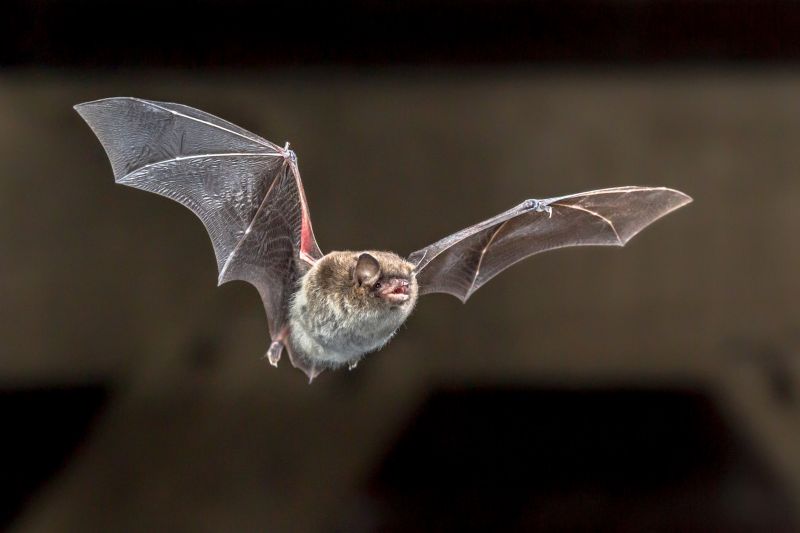
When comparing service providers for commercial bird and bats control, it’s important to consider their experience with similar projects. A contractor who has handled properties comparable in size and type will be more familiar with the specific challenges associated with health risks linked to birds and bats. This experience can contribute to more effective and thorough solutions, reducing the likelihood of ongoing issues related to droppings, nesting, and potential disease transmission. Homeowners should inquire about the types of properties the contractor has worked on and seek details about their familiarity with managing health-related concerns in commercial settings.
Clear written expectations are essential when evaluating local contractors. A reputable service provider should be able to outline the scope of work, methods used to address health risks, and any follow-up procedures in a straightforward manner. This transparency helps ensure that both parties have a shared understanding of what the project entails and what results to expect. It also provides a basis for assessing whether the contractor’s approach aligns with the homeowner’s priorities for health safety and property protection.
Reputable references and good communication are key indicators of a reliable service provider. Homeowners should seek out reviews or testimonials that speak to the contractor’s ability to handle complex issues like health risks linked to birds and bats effectively. Additionally, a contractor who maintains open, prompt, and clear communication can better address questions or concerns throughout the process. This level of professionalism helps ensure that the project proceeds smoothly and that any health-related risks are managed with the appropriate attention and expertise.
Property owners often search for health risks linked to birds and bats in commercial properties when they are planning practical projects around their homes and businesses. Local pros provide Commercial Bird and Bats Control services for everyday jobs and straightforward project options.
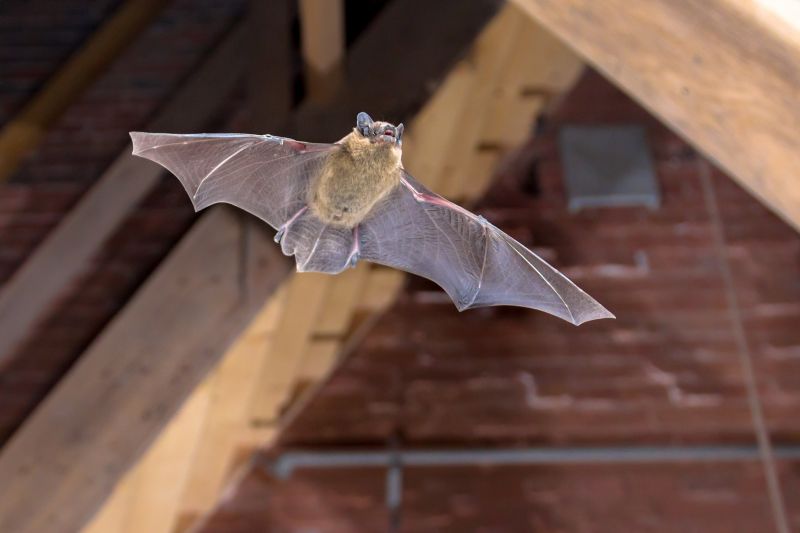
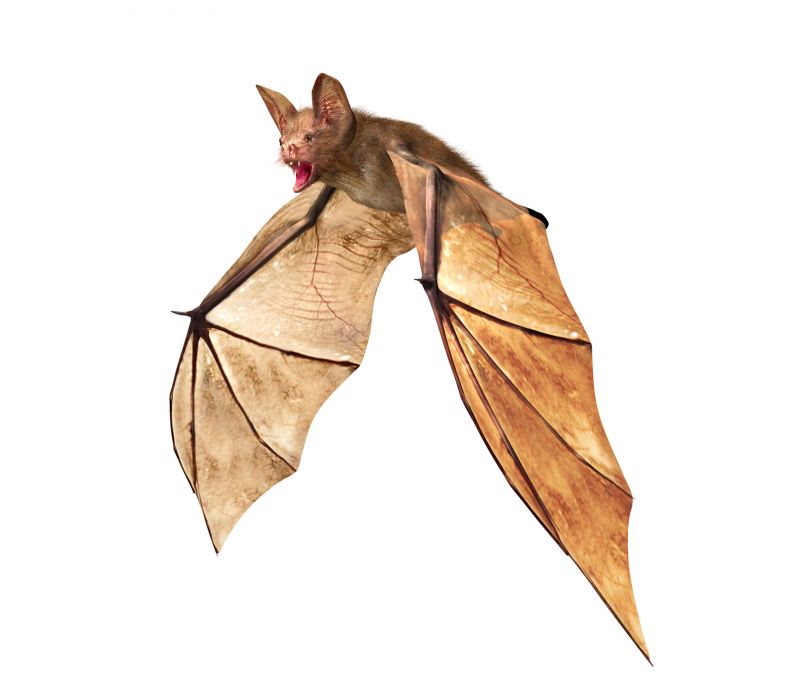
Birds and bats often seek shelter in commercial properties, especially in attics, rafters, or eaves. While their presence might seem harmless at first, property owners should be aware of potential health risks linked to birds and bats in commercial buildings. These animals can carry parasites, bacteria, and viruses that may be transmitted to humans through droppings, nesting materials, or contaminated surfaces. Over time, accumulated droppings can also cause structural damage, leading to costly repairs and creating environments conducive to mold growth, which poses additional health concerns.
For property owners concerned about these health risks, engaging local contractors who specialize in bird and bat control can provide effective solutions. These service providers can help identify entry points, safely remove animals, and implement exclusion measures to prevent future infestations. Addressing these issues promptly not only reduces health hazards but also helps maintain a safe and clean commercial environment.
What health risks are associated with birds and bats in commercial properties? Birds and bats can carry diseases such as histoplasmosis, psittacosis, and salmonella, which may pose health risks to building occupants. Their droppings and nesting materials can also create mold and bacteria growth, increasing the risk of respiratory issues. Local contractors can assess and mitigate these hazards through professional control methods.
How can birds and bats impact indoor air quality in commercial spaces? Bird and bat droppings can release airborne spores and bacteria that degrade indoor air quality, potentially leading to respiratory problems for employees and visitors. Professional control services can remove nesting sites and clean contaminated areas to improve air safety.
Why is it important to address bird and bat infestations promptly in commercial properties? Prompt action helps prevent the spread of diseases and reduces health risks linked to birds and bats. Local service providers can implement exclusion and removal techniques to protect the health of everyone in the building.
What are the common signs of health risks linked to birds and bats in commercial buildings? Signs include the presence of droppings, nests, foul odors, or visible bird or bat activity. Recognizing these signs can prompt timely professional intervention to reduce potential health hazards.
How do professional bird and bat control services help reduce health risks in commercial properties? These services include safe removal, exclusion, and sanitation efforts that eliminate nesting sites and contaminated materials, thereby lowering the chances of disease transmission and improving overall health conditions.
Identify nesting sites - property owners can assess their buildings for potential nesting spots to prevent birds and bats from establishing colonies.
Seal entry points - sealing gaps and openings helps reduce the risk of health issues linked to birds and bats in commercial properties.
Implement exclusion measures - installing deterrents and barriers with the help of local contractors can keep birds and bats away safely.
Schedule regular inspections - ongoing monitoring by professionals can detect early signs of bird and bat activity, minimizing health risks.
If you are thinking about health risks linked to birds and bats in commercial properties for a property, this guide is meant to help you understand this topic, the typical project types, and how different options might fit your plans.
When you are ready, you can use the quote form on this page to share a few details about your project. From there, local pros can review the basics and follow up with options that match what you have in mind.